If a fallen oak limb can block your driveway faster than a pizza delivery arrives, your property probably needs more than a basic cutting tool—it needs the right homeowner chainsaw. Choosing the best gas chainsaw for your property this year comes down to matching engine size, bar length, safety features, cutting frequency, and property size. A chainsaw that is too small struggles with hardwood and larger trunks, while an oversized professional model adds unnecessary weight, fuel consumption, and fatigue. For most homeowners, a mid-range gas chainsaw with a 16–20-inch bar provides the best balance of power, control, and versatility. If you’re comparing models and researching real-world performance, these expert-reviewed gas-powered chainsaw recommendations can help narrow your options based on cutting needs and property size.
Storm damage, overgrown trees, firewood preparation, and seasonal yard maintenance all require dependable cutting equipment. Yet many buyers focus only on brand names or engine displacement without considering ergonomics, safety systems, maintenance requirements, and long-term operating costs. That often leads to poor purchasing decisions and frustration in the field.
This chainsaw buying guide explains exactly what homeowners should evaluate before purchasing a gas chainsaw. You’ll learn how engine size affects performance, what bar length works best for different properties, which safety features matter most, and how to compare leading options confidently.
What Is the Best Gas Chainsaw for Most Homeowners?
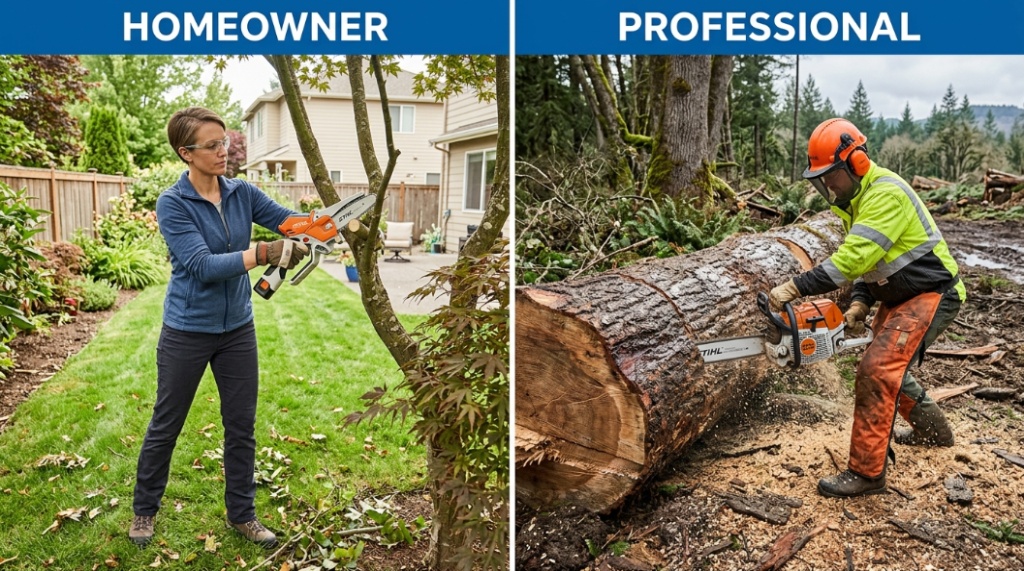
For most residential properties, a gas chainsaw with a 40cc–60cc engine and a 16–20-inch guide bar offers the ideal combination of cutting power, maneuverability, and versatility.
Homeowners typically need a chainsaw capable of trimming branches, cutting storm-damaged trees, processing firewood, and handling occasional tree removal projects. Professional forestry-grade equipment often exceeds these requirements and introduces extra weight that reduces comfort during extended use.
Industry testing consistently shows that mid-sized saws provide enough torque for hardwood species while remaining manageable for users without professional logging experience. Features such as anti-vibration systems, chain brakes, and automatic oilers further improve usability and safety.
Property owners who regularly maintain wooded acreage should also consider broader property-management strategies. Energy-efficient home improvements and sustainable outdoor planning can complement long-term land care efforts, as discussed in this guide to efficient and sustainable home heating practices.
- Small yards: 30cc–40cc engine, 12–16-inch bar
- Medium properties: 40cc–60cc engine, 16–20-inch bar
- Large wooded acreage: 60cc+ engine, 20–24-inch bar
- Heavy hardwood cutting: High-torque professional models
How Does Engine Size Affect Chainsaw Performance?
Engine displacement determines cutting power, chain speed, torque output, and overall capability when working with different wood types.
Gas chainsaw engines are measured in cubic centimeters (cc). Higher displacement generally translates into greater cutting force and improved performance in dense wood species such as oak, maple, hickory, and ash.
| Engine Size | Best Use | Property Type | User Level |
|---|---|---|---|
| 30–40cc | Pruning and light trimming | Small residential lots | Beginner |
| 40–50cc | Firewood and general maintenance | Average homeowner | Intermediate |
| 50–60cc | Large trees and frequent use | Large properties | Experienced homeowner |
| 60cc+ | Heavy-duty cutting | Wooded acreage | Advanced user |
While larger engines provide more power, they also increase fuel consumption, vibration, and operating weight. Buyers should select enough power for expected tasks rather than simply choosing the biggest available model.
Can a Smaller Engine Handle Large Trees?
Yes, but cutting speed decreases significantly, and additional strain is placed on both the chain and engine.
A properly sharpened chain on a smaller saw can cut larger logs, though the process requires more passes and patience. Frequent heavy cutting typically justifies moving to a higher-displacement model.
What Chainsaw Bar Length Should You Choose?
The ideal chainsaw bar length depends on the diameter of the wood you regularly cut and the maneuverability required around your property.
Guide bar length influences reach, cutting capacity, balance, and control. Longer bars allow larger cuts but increase weight and reduce maneuverability.
- 12–14 inches: Light pruning and branch trimming
- 16 inches: Most residential maintenance tasks
- 18 inches: Firewood preparation and medium trees
- 20 inches: Large tree removal and heavy cutting
- 24+ inches: Professional forestry applications
A common rule is selecting a bar approximately two inches longer than the average diameter of the wood being cut. This provides sufficient reach while maintaining safe control.
Is a Longer Bar Always Better?
No. Longer guide bars increase fatigue and reduce precision during routine yard work.
Many homeowners mistakenly purchase oversized bars, believing they offer greater versatility. In reality, moderate lengths often improve efficiency because they reduce operator fatigue and improve balance.
Which Safety Features Are Essential in a Homeowner Chainsaw?
The most important chainsaw safety features include a chain brake, anti-vibration technology, chain catcher, throttle lockout, and automatic chain lubrication.
Modern gas chainsaws incorporate multiple protective systems designed to reduce injury risks and improve control during operation.
- Inertia-activated chain brake
- Hand guard protection
- Chain catcher system
- Low-kickback chain design
- Throttle safety lock
- Automatic chain oiler
- Anti-vibration handles
According to safety organizations and equipment manufacturers, kickback remains one of the most common causes of chainsaw-related injuries. A responsive chain brake significantly reduces potential harm during unexpected kickback events.
Personal protective equipment remains equally important:
- Chainsaw chaps
- Safety glasses
- Hearing protection
- Work gloves
- Steel-toe boots
- Protective helmet when felling trees
Property owners investing in structural improvements should also pay attention to exterior durability features. Roofing professionals highlight several overlooked upgrades that improve long-term property resilience, as explained in this overview of valuable roofing enhancements for homeowners.
What Makes Gas Chainsaws Better Than Battery Models?
Gas chainsaws generally provide longer runtime, higher power output, and superior performance during demanding cutting applications.
Battery-powered chainsaws have improved dramatically in recent years, but gas models continue to dominate heavy-duty property maintenance tasks.
| Feature | Gas Chainsaw | Battery Chainsaw |
|---|---|---|
| Power Output | High | Moderate |
| Runtime | Continuous with refueling | Battery-dependent |
| Weight | Heavier | Lighter |
| Maintenance | Higher | Lower |
| Large Tree Cutting | Excellent | Limited |
| Noise Level | Higher | Lower |
Homeowners managing several acres, processing firewood regularly, or dealing with mature hardwood trees often benefit most from gas-powered equipment.
Are Gas Chainsaws Still Worth Buying in 2026?
Yes. For demanding cutting tasks, gas chainsaws remain the preferred choice due to superior endurance, power, and field versatility.
Battery technology continues improving, but gas engines still offer unmatched performance for large-scale cutting projects.
Which Features Matter Most When Reading Gas Chainsaw Reviews?
The most valuable gas chainsaw reviews evaluate power, reliability, ergonomics, maintenance requirements, safety systems, and long-term durability.
Many online reviews focus heavily on specifications while overlooking real-world ownership factors. Smart buyers should prioritize practical performance indicators.
Key Evaluation Criteria
- Cold-start reliability
- Engine responsiveness
- Fuel efficiency
- Vibration control
- Chain tension adjustment
- Air filtration quality
- Maintenance accessibility
- Parts availability
- Manufacturer support
- Warranty coverage
Brands with strong dealer networks often provide better long-term value because replacement components remain accessible for years after purchase.
What Do Professional Users Prioritize?
Professional arborists typically focus on power-to-weight ratio, reliability, balance, and serviceability.
These factors often determine productivity during extended cutting sessions and frequently reveal which models perform best under demanding conditions.
How Much Should You Spend on a Quality Gas Chainsaw?
Most homeowners can expect to spend between $250 and $600 for a dependable gas chainsaw capable of handling regular property maintenance.
Price varies according to engine size, construction quality, brand reputation, and included features.
| Price Range | Typical Features | Best For |
|---|---|---|
| $150–$250 | Basic homeowner models | Occasional use |
| $250–$400 | Improved durability and power | Regular maintenance |
| $400–$600 | Premium homeowner models | Large properties |
| $600+ | Professional-grade equipment | Commercial work |
A higher upfront investment often results in improved longevity, better fuel efficiency, and lower maintenance expenses over time.
What Maintenance Does a Gas Chainsaw Require?
Regular chain sharpening, air filter cleaning, spark plug inspection, and proper fuel management are essential for reliable performance.
Neglected maintenance reduces cutting efficiency and shortens engine life. Fortunately, most routine tasks require only a few minutes after each use.
Basic Maintenance Checklist
- Sharpen the chain regularly
- Check chain tension before operation
- Clean air filter
- Inspect the spark plug condition
- Monitor chain oil levels
- Clean guide bar groove
- Drain fuel before long-term storage
- Inspect safety systems periodically
A sharp chain improves cutting speed, reduces fuel consumption, and decreases strain on the engine.
How Often Should a Chainsaw Chain Be Sharpened?
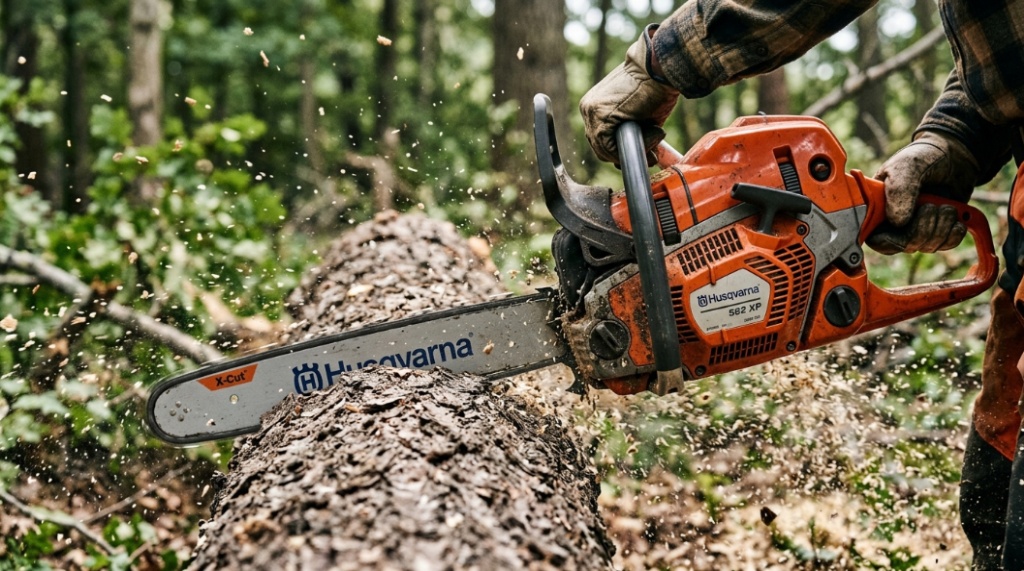
The chain should be sharpened whenever cutting performance declines or fine sawdust replaces larger wood chips.
Frequent contact with dirt, rocks, or nails accelerates chain wear and may require immediate sharpening.
How Can You Match a Chainsaw to Your Property Size?
The best chainsaw matches your property’s tree density, cutting frequency, wood species, and maintenance workload.
Evaluating your actual cutting needs prevents overspending and improves long-term satisfaction.
| Property Type | Recommended Chainsaw |
|---|---|
| Urban lot | 30–40cc, 14–16-inch bar |
| Suburban property | 40–50cc, 16–18-inch bar |
| Rural acreage | 50–60cc, 18–20-inch bar |
| Wooded land | 60cc+, 20–24-inch bar |
Consider future needs as well. Newly planted landscapes may require minimal trimming today, but significantly more maintenance within several years.
Frequently Asked Questions
What size gas chainsaw is best for homeowners?
A 40cc–60cc gas chainsaw with a 16–20-inch guide bar is ideal for most homeowners. It offers sufficient power for firewood preparation, storm cleanup, branch removal, and moderate tree cutting without excessive weight.
How long does a gas chainsaw typically last?
A quality gas chainsaw can last 10 years or longer with proper maintenance. Regular chain sharpening, fuel management, air filter cleaning, and timely replacement of wear components significantly extend service life.
Are gas chainsaws better than electric chainsaws?
Gas chainsaws generally outperform electric models in runtime, power output, and heavy-duty cutting applications. Electric options excel in convenience, lower noise levels, and reduced maintenance requirements.
What bar length should I choose for cutting firewood?
An 18-inch guide bar works well for most firewood applications. It balances cutting capacity and maneuverability while handling common hardwood and softwood species effectively.
How often should chainsaw chains be replaced?
Chains can often be sharpened multiple times before replacement becomes necessary. Replacement is recommended when cutter teeth become excessively worn, damaged, or unable to maintain proper cutting performance.
Which safety feature is most important on a chainsaw?
The chain brake is among the most important safety features because it rapidly stops chain movement during kickback events. Combined with proper protective equipment, it significantly reduces injury risk.
What fuel should a two-stroke gas chainsaw use?
Most gas chainsaws require a manufacturer-specified gasoline and two-stroke oil mixture. Always follow the recommended fuel ratio outlined in the owner’s manual to avoid engine damage.
Conclusion: What Is the Smartest Gas Chainsaw Choice This Year?
The best gas chainsaw is not necessarily the most powerful model—it is the one that matches your property, workload, and experience level. Most homeowners achieve excellent results with a reliable 40cc–60cc machine equipped with a 16–20-inch bar, modern safety systems, and strong manufacturer support. Evaluating engine size, guide bar length, maintenance requirements, and ergonomics helps ensure years of dependable performance.
Before purchasing, compare multiple gas chainsaw reviews, assess your typical cutting projects, and prioritize safety features over raw specifications. Homeowners interested in broader property maintenance and sustainable home improvements may also find valuable ideas in this guide covering practical energy-efficiency strategies for residential properties.
Choose carefully, maintain your equipment consistently, and invest in proper safety gear. A well-matched homeowner chainsaw can transform difficult outdoor maintenance into faster, safer, and more efficient work throughout the year.