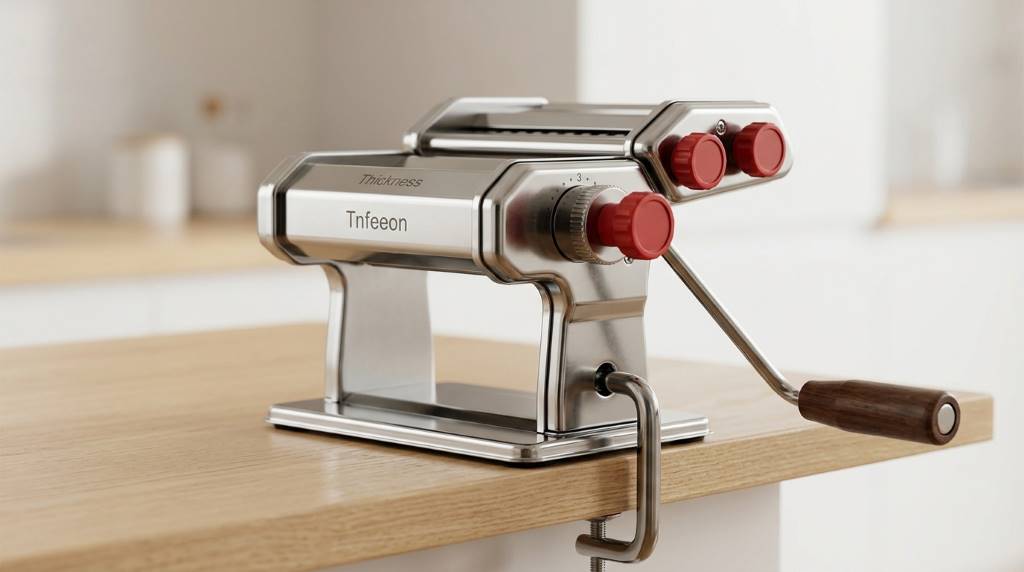
The Tnfeeon Pasta Maker is a worthwhile choice if you want homemade cavatelli, gnocchi, and shell pasta without electricity. Its manual design keeps operation simple, while stainless steel construction supports repeated kitchen use. Americans consume roughly 20 pounds of pasta per person annually, making homemade pasta equipment increasingly appealing. This home pasta machine review also deserves attention because the machine focuses on specialized pasta shapes rather than generic rolling.
Key Takeaways
- Best feature: The manual mechanism creates cavatelli, gnocchi, and shell-shaped pasta without electricity.
- Build: Stainless steel components offer a practical balance between durability, hygiene, and everyday usability.
- Operation: The hand-crank system gives you direct control over dough feeding and pasta production.
- Space: Its compact design suits kitchens where countertop and storage space remain limited.
- Limitation: It focuses on specific pasta shapes instead of producing every traditional pasta style.
- Best buyer: Home cooks who enjoy fresh pasta and prefer hands-on preparation should consider it.
What Is the Tnfeeon Pasta Maker?
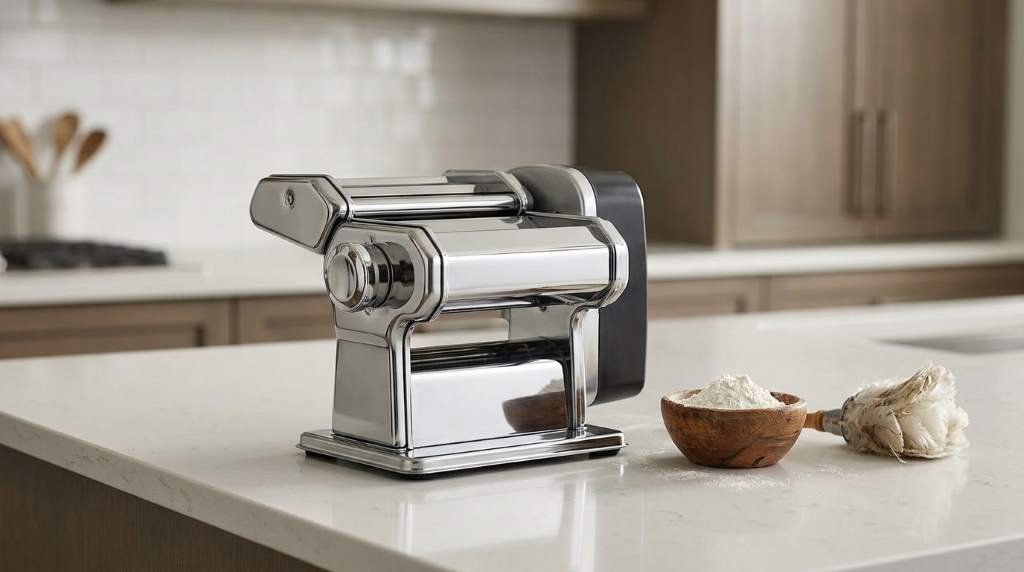
The Tnfeeon Pasta Maker is a manual pasta-forming machine designed around traditional Italian-style shapes. Instead of using electrical power, you turn a hand crank to move dough through its forming mechanism. That approach makes the machine straightforward for cooks who prefer mechanical control over automated processing.
Unlike conventional pasta rollers, this machine concentrates on shaped pasta rather than thin pasta sheets. It can produce cavatelli, gnocchi, and shell-style pasta, giving homemade meals a more distinctive appearance. Therefore, buyers should evaluate it as a specialty pasta maker rather than an all-purpose noodle machine.
The stainless steel construction also gives the Tnfeeon a practical advantage for regular kitchen use. Stainless steel resists corrosion better than many basic kitchen materials and generally handles repeated handling well. However, buyers should still follow proper cleaning and drying practices to protect the machine over time.
Key Features Worth Knowing
The Tnfeeon stands out through its combination of manual operation, shaped-pasta production, and compact construction. For cooks exploring greatest cuisines in the world, this type of tool can add variety to homemade Italian meals. Its design emphasizes function instead of unnecessary electronic controls or complicated settings.
Manual Hand-Crank Operation
The hand crank represents one of the machine’s most important design choices. You control the dough movement directly, which helps you adjust your pace according to dough consistency. Consequently, the machine avoids motors, electrical cords, switches, and the maintenance concerns associated with powered appliances.
Manual operation also makes the machine useful in kitchens with limited electrical outlets. You can place it wherever you have a stable working surface and enough room to operate the handle. For many home cooks, that simplicity creates a more enjoyable and traditional pasta-making experience.
Stainless Steel Construction
Stainless steel gives the machine a sturdy feel while supporting regular food preparation. The material also provides a cleaner-looking surface that fits naturally into most kitchen environments. Nevertheless, users should avoid leaving flour or moisture trapped around moving components after each session.
The construction matters particularly when you make pasta frequently. A flimsy machine can shift during operation, interrupting the dough-forming process and creating uneven pieces. In contrast, a solid structure can make repetitive hand-cranking more comfortable and consistent.
Specialized Pasta Shapes
The Tnfeeon focuses on pasta shapes that many cooks find difficult to form quickly by hand. Cavatelli and shell pasta require consistent shaping to achieve attractive pieces with useful ridges and cavities. Those characteristics also help sauces cling to the finished pasta during serving.
Gnocchi adds another reason to consider this machine if you enjoy traditional comfort food. However, buyers seeking spaghetti, linguine, fettuccine, or lasagna sheets need a different type of pasta roller. This limitation remains important because the machine does not replace a full pasta-making system.
Compact Kitchen-Friendly Design
A specialty pasta machine does not need to dominate your countertop. The Tnfeeon’s relatively compact format makes storage easier than many larger electric kitchen appliances. As a result, it can suit apartment kitchens, small homes, and occasional pasta makers.
However, compact size does not eliminate the need for a stable working position. Place the machine on a secure surface before turning the handle. A stable setup improves control and reduces unnecessary movement while processing dough.
How Well Does the Tnfeeon Pasta Maker Work?
The machine works best when you prepare dough with the correct consistency before feeding it through the rollers. Dough that feels excessively wet can stick, while overly dry dough may resist forming properly. Therefore, spend time achieving a smooth, workable dough before blaming the machine for inconsistent results.
Start with a small dough portion instead of immediately loading a large quantity. Feed the dough gradually while turning the handle at a steady pace. This method gives the mechanism enough time to shape each piece without forcing excessive pressure through the rollers.
The final texture also depends heavily on dough preparation and cooking technique. Freshly shaped pasta can cook quickly, so watch the pot closely rather than relying only on a fixed timer. For broader kitchen efficiency, pairing handmade pasta with practical appliances can complement ideas such as how to choose affordable smart air fryer equipment.
Consistency Depends on Dough Technique
A pasta maker can shape dough consistently, but it cannot correct poor dough preparation. Keep the dough firm enough to hold its structure while remaining flexible enough for smooth feeding. Consequently, flour measurement and hydration deserve as much attention as machine operation.
Cut dough strips into manageable portions before beginning. Smaller portions provide better control and reduce the chance of overloading the forming mechanism. With practice, you can develop a repeatable rhythm that produces more uniform pasta.
What About Speed?
The Tnfeeon can save substantial shaping time compared with forming every piece manually. That advantage becomes more noticeable when preparing pasta for several people. However, the machine still requires manual feeding and cranking, so it does not offer the speed of a fully automated appliance.
Your actual production speed depends on dough preparation, portion size, and familiarity with the machine. Beginners may need several attempts before achieving a comfortable rhythm. After that learning period, the process should become much more predictable.
Pros and Cons of the Tnfeeon Pasta Maker
Pros
- Manual simplicity: No electrical connection makes the machine easy to operate in almost any kitchen.
- Specialty shapes: It focuses on cavatelli, gnocchi, and shell pasta that can take longer by hand.
- Durable material: Stainless steel construction provides a practical foundation for repeated home use.
- Hands-on control: Manual cranking lets you regulate feeding speed and dough movement yourself.
- Compact footprint: The design can work well for cooks with limited countertop or cabinet space.
- Traditional experience: Manual preparation creates a more tactile and engaging pasta-making process.
Cons
- Limited versatility: The machine does not replace equipment designed for spaghetti, fettuccine, or lasagna.
- Manual effort: Large batches require repeated cranking, which can become tiring over time.
- Learning curve: Beginners may need practice before producing consistently shaped pieces.
- Dough sensitivity: Incorrect hydration can affect feeding, shaping, and overall consistency.
- Cleaning attention: Users should remove flour residue and dry the machine thoroughly after use.
- Specialized value: Occasional pasta makers may not use a dedicated shaping tool often enough.
Who Should Buy the Tnfeeon Pasta Maker?
The Tnfeeon makes the most sense for home cooks who genuinely enjoy making fresh pasta. It particularly suits people who want shaped Italian pasta without investing in a large electric appliance. Moreover, its manual design appeals to cooks who value control and traditional preparation.
Families can also benefit when several people participate in the cooking process. Children and adults can observe how dough transforms into recognizable pasta shapes with each crank. That hands-on process can make homemade meals feel more memorable rather than simply faster.
The machine may also appeal to someone searching for unique kitchen gift ideas for a newlywed couple. A specialty pasta tool encourages shared cooking while adding something different from ordinary cookware. Still, confirm that the recipients actually enjoy homemade pasta before choosing a specialized appliance.
Who Should Skip It?
Skip the Tnfeeon if you primarily want long pasta shapes such as spaghetti or linguine. A traditional pasta roller with interchangeable cutters would provide greater versatility for those needs. Similarly, electric machines make more sense for users who prioritize automation over hands-on preparation.
You should also reconsider the purchase if you rarely cook fresh pasta. Specialty equipment only provides strong value when you use it regularly. Otherwise, a simpler manual pasta tool may occupy less storage space and cost less.
How to Get Better Results From the Tnfeeon
Begin with a reliable pasta dough recipe and weigh ingredients whenever possible. Consistent ingredient ratios make it easier to identify problems during your first attempts. Once your dough behaves predictably, focus on improving your feeding technique.
Keep your work surface organized before starting the machine. Prepare flour for dusting, cut dough portions, and keep a tray nearby for finished pasta. This setup prevents unnecessary interruptions while you operate the hand crank.
Feed each portion gradually instead of forcing a thick or oversized piece through the rollers. If the dough sticks, lightly adjust the flour rather than adding excessive amounts. Too much flour can make the final pasta dense and reduce its ability to hold sauce.
After shaping the pasta, separate the pieces before they touch for too long. Allowing freshly formed pieces to sit together can encourage sticking. A lightly floured tray provides a simple solution while you finish the remaining dough.
Cleaning and Maintenance Tips
Cleaning deserves attention because dried flour can collect around mechanical parts. Remove loose dough and flour soon after finishing rather than allowing residue to harden. Follow the manufacturer’s cleaning instructions whenever they differ from general maintenance practices.
Avoid aggressive scrubbing that could damage surfaces or interfere with moving components. Instead, use appropriate brushes or dry cleaning methods for areas where flour accumulates. Most importantly, make sure the machine dries completely before storage.
Store the pasta maker somewhere dry and protected from unnecessary moisture. Keep the crank and forming areas free from objects that could bend or obstruct them. Regular inspection can also help you notice loose components before they affect pasta quality.
Tnfeeon Pasta Maker vs. Traditional Pasta Rollers
The biggest difference involves the type of pasta each tool creates. Traditional rollers excel at producing flat sheets that you can cut into noodles or use for layered dishes. The Tnfeeon instead concentrates on shaped pasta, giving it a narrower but more specialized purpose.
That specialization can actually become an advantage for the right buyer. If you frequently prepare cavatelli or gnocchi, a dedicated shaping machine can simplify a repetitive task. Conversely, a general-purpose roller offers better value for cooks who want maximum pasta variety.
Think about your preferred recipes before making the final decision. Buying the most versatile machine does not automatically create the best value. The right tool should match the pasta you actually want to make most often.
Is the Tnfeeon Pasta Maker Worth Buying?
Yes, the Tnfeeon Pasta Maker is worth considering if shaped homemade pasta forms part of your regular cooking routine. Its manual mechanism, stainless steel construction, and specialty shaping capability create a focused kitchen tool. However, its value drops significantly if you want one machine for every pasta style.
The strongest reason to buy it involves convenience within a specific category. You get a dedicated method for producing cavatelli, gnocchi, and shell pasta without electricity. Therefore, the purchase makes more sense as a complementary pasta tool than as a universal replacement.
Before ordering, compare the machine’s current dimensions, included components, price, and seller return policy. Product listings can change, especially for marketplace brands and imported kitchen tools. A careful comparison protects you from paying premium pricing for equipment that does not match your cooking habits.
Final Verdict
The Tnfeeon Pasta Maker earns consideration from home cooks who want specialized fresh pasta without complicated technology. Its manual operation keeps the process approachable, while stainless steel construction supports practical everyday use. The main compromise involves versatility because the machine targets specific pasta shapes instead of every pasta style.
Ultimately, buy it when cavatelli, gnocchi, and shell pasta genuinely interest you. Otherwise, choose a broader pasta roller if versatility matters more than specialty shaping. If the Tnfeeon matches your favorite recipes, it can turn fresh pasta preparation into a rewarding kitchen ritual.
Check the latest product specifications, included accessories, price, and return terms before purchasing. Then choose the Tnfeeon if its specialty shapes match the pasta you make most often.
Frequently Asked Questions
Is the Tnfeeon Pasta Maker manual?
Yes, it uses a hand-crank mechanism and does not require electrical power.
What pasta can the Tnfeeon Pasta Maker make?
It is designed primarily for shaped pasta such as cavatelli, gnocchi, and shell-style pasta.
Is the Tnfeeon Pasta Maker good for beginners?
Yes, beginners can use it, although consistent dough preparation requires some practice.
Does the Tnfeeon Pasta Maker replace a traditional pasta roller?
No, it specializes in shaped pasta and does not provide the same flat-sheet versatility.
Is stainless steel good for a pasta maker?
Yes, stainless steel offers durable construction and practical resistance to corrosion when properly maintained.