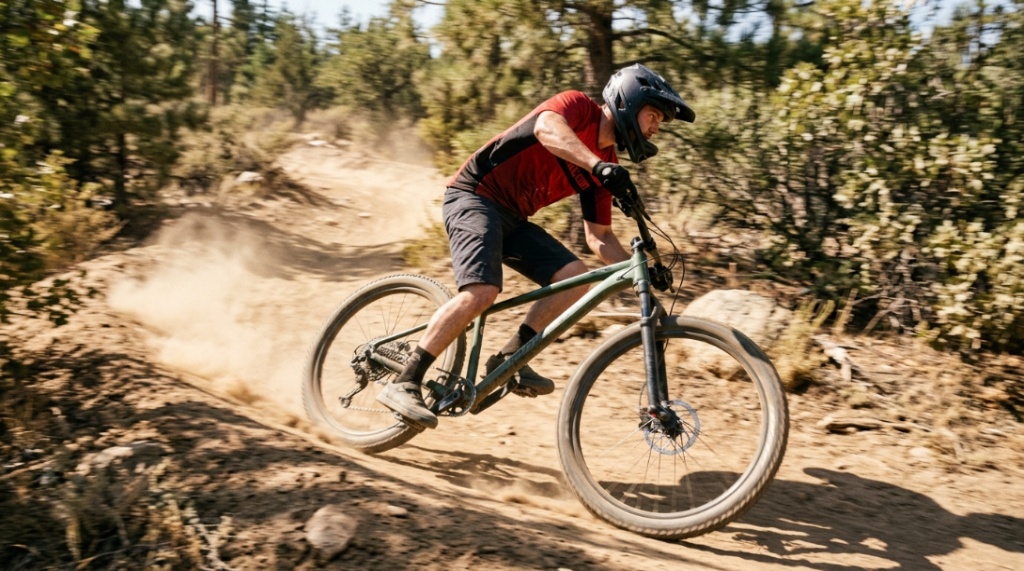
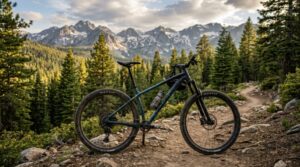
A coworker told me mountain biking “requires at least $2,000 to get started” — I showed him my $450 hardtail that has survived three years of weekly trail abuse without a single mechanical failure that stopped a ride. The narrative that mountain biking demands massive financial commitment keeps people off trails who would genuinely love the sport. An affordable mountain bike does not mean an unreliable one — it means understanding which features justify spending and which represent marketing markups that deliver zero additional trail capability for recreational riders. A budget mountain bike purchased intelligently outperforms an expensive bike purchased emotionally because the smart buyer allocates money toward components that actually affect riding experience rather than cosmetics, brand prestige, or features they will never use. This guide shows you exactly where reliable performance lives within budget constraints and how to avoid the cheap-bike traps that give affordable options a bad reputation.
What Makes a Budget Mountain Bike Reliable vs Unreliable?
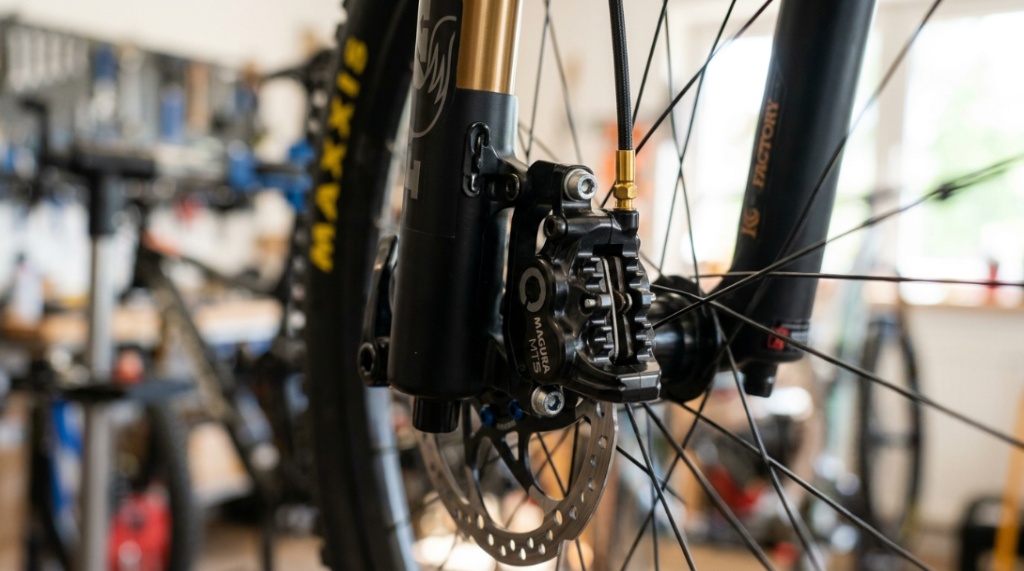
Reliability at budget price points comes from: sealed bearing hubs (not loose ball), name-brand brakes with available replacement pads, a fork from a recognized suspension manufacturer, and a frame with standard dimensions that accepts aftermarket parts — while unreliable budget bikes use proprietary components designed for initial cost rather than ongoing function.
Reliability indicators at budget prices:
- Sealed cartridge bearings: In hubs, headset, and bottom bracket. These resist water and dirt intrusion for 2,000+ miles without service. Loose ball bearings (cheaper) contaminate and fail in 200–500 miles of trail riding.
- Standard component interfaces: Threaded bottom bracket, standard headset sizes, quick-release or thru-axle hubs. These accept widely available replacement parts. Proprietary sizes limit you to one source for replacements.
- Recognizable brake brands: Shimano, Tektro, or SRAM brakes have universally available replacement pads, rotors, and service parts. Unknown brake brands may leave you unable to find pads when they wear.
- Reputable fork manufacturer: SR Suntour, RockShox, or Manitou forks have service manuals, available seals, and known reliability profiles. No-name forks cannot be serviced and provide unpredictable performance.
- Frame quality control: Consistent welds, proper alignment, and adequate material thickness. Inspect welds visually — they should be uniform with no voids, undercuts, or splatter.
Where Should You Buy an Affordable Mountain Bike?
Direct-to-consumer online brands (Vitus, Polygon, Marin online) offer 20–30% better specs-per-dollar than bike shop brands, while local bike shops provide assembly, fitting, and warranty service — the best strategy depends on your mechanical confidence and local service availability.
Purchase channel comparison:
| Channel | Pros | Cons | Best For |
|---|---|---|---|
| Direct-to-consumer online | Best specs per dollar, competitive pricing | Self-assembly, no test ride, shipping wait | Mechanically confident buyers |
| Local bike shop | Professional assembly, test rides, service relationship | 10–20% higher pricing for equivalent specs | Beginners who value support |
| Big-box retail (Walmart, Amazon) | Lowest prices, immediate availability | Poor assembly, limited service, lower component quality | Very casual riders, budget absolute priority |
| Pre-owned market | 40–60% savings on premium bikes | No warranty, unknown history, sizing gamble | Knowledgeable buyers who can inspect |
| End-of-season sales | 20–40% off current-year models | Limited size/color availability | Patient buyers with flexible timing |
The pre-owned market deserves special attention for budget buyers: a 2–3 year old $1,200 bike sells for $500–$700 and delivers far better components than any new bike at that price. Facebook Marketplace, Pinkbike Buy/Sell, and local cycling group listings are the best sources.
What Is the Minimum You Should Spend for Trail-Worthy Reliability?
$400–$500 is the minimum for a new mountain bike that reliably handles actual trail riding — below this threshold, critical components (brakes, fork, hubs) use materials and designs that fail under trail stress, creating safety hazards and expensive replacement cycles.
What each budget level buys in reliability:
- Under $300: Bikes use components designed for pavement/light gravel only. Forks, brakes, and hubs will fail under real trail use. Suitable for bike paths and smooth fire roads only. Not recommended for singletrack.
- $300–$500: Entry trail capability. Mechanical disc brakes, basic suspension fork, entry drivetrain. Handles moderate trails with proper care. Brands like Schwinn Traxion provide affordable dual-suspension mountain biking at this range with 29-inch wheels suited to adult riders.
- $500–$800: Reliable trail performance. Hydraulic brakes become available, better fork options, improved drivetrain. Handles regular trail riding without constant maintenance concerns.
- $800–$1,200: Confident trail performance with quality components throughout. Minimal compromises. The sweet spot for regular riders who want reliability without worry.
How Do You Maximize Value When Buying on a Budget?
Maximize value by: buying last year’s model at discount (same bike, 20–40% less), prioritizing component quality over frame material (aluminum is fine), considering pre-owned from reputable sellers, timing purchases for end-of-season sales, and budgeting $50–$100 for immediate tire/grip upgrades that transform cheap bikes.
Money-saving strategies that do not compromise reliability:
- Previous-year models: Bike companies release new models annually with minimal changes. Last year’s model at 20–40% off is identical in performance to this year’s full-price version.
- Aluminum over carbon: Carbon fiber saves 1–2 lbs but costs $1,000+ more. For budget riders, aluminum frames are equally durable, easily repairable, and functionally identical on trails where weight is not the limiting factor.
- Skip the full suspension: A $600 hardtail beats a $600 full-suspension bike every time because the entire budget goes to functional components rather than splitting it between front and (inadequate) rear suspension.
- Buy complete, upgrade selectively: Complete bikes offer better value than building from parts. Buy the best complete bike you can afford, then upgrade only the one component that limits your riding most (usually tires).
- Off-season purchasing: September–November and January–February offer the deepest discounts as shops clear inventory. Avoid April–June when demand peaks and discounts disappear.
What Maintenance Keeps an Affordable Bike Running Reliably?
Basic maintenance — chain lubrication before every ride, tire pressure check weekly, brake pad inspection monthly, and a professional tune-up annually — keeps an affordable mountain bike running reliably for 5–10 years at a total maintenance cost of $100–$200 per year.
Essential maintenance schedule:
- Every ride: Quick visual check (tires inflated, brakes engage, nothing loose). 30 seconds.
- Weekly: Chain lube, tire pressure to specification, quick bolt check on stem and handlebars. 5 minutes.
- Monthly: Brake pad thickness check (replace below 1mm), drivetrain cleaning, tire tread inspection. 20 minutes.
- Every 6 months: Cable tension adjustment, wheel true check, bearing play inspection. 30 minutes or $40 shop visit.
- Annually: Full professional tune-up including suspension service, bearing replacement if needed, full safety inspection. $80–$150 at a shop.
The maintenance investment ($100–$200/year) is what separates a budget bike that lasts 5+ years from one that falls apart in 12 months. The bike itself is only as reliable as the care it receives — budget bikes with excellent maintenance outperform expensive bikes with poor maintenance every time. Finding the right balance between cost and performance isn’t just a challenge for outdoor gear—it pops up in gaming tech all the time. Just as budget riders need to ensure an affordable bike can handle rugged trails, gamers often wonder if older hardware can handle modern, massive open-world titles. For instance, if you are looking to upgrade your entertainment setup next, you might want to know: Is Cyberpunk 2077 Playable on PS5? Balancing your budget across both outdoor adventures and indoor gaming ensures you get the best performance for your dollar.
Conclusion
Finding a reliable mountain bike without overspending requires knowing where reliability lives (sealed bearings, name-brand brakes, reputable forks), where to buy smartly (direct-to-consumer, pre-owned, end-of-season), and what minimum budget produces genuine trail capability ($400–$500 new, $300–$400 pre-owned). The $500–$800 range delivers confidently reliable trail bikes that handle years of regular riding without constant repairs or safety concerns.
Stop waiting for a bigger budget to start mountain biking. The trails do not care what your bike cost — they care that it works reliably, fits you correctly, and stops when you need it to. A well-chosen $500 bike ridden weekly provides infinitely more value than a $3,000 bike ridden twice before life gets busy. Buy what you can afford today, maintain it properly, and spend your energy riding rather than saving for a bike you do not need.
What is the best value mountain bike you have owned — and what made it worth every dollar? Share your budget find below.
Frequently Asked Questions
Are cheap mountain bikes dangerous?
Bikes under $200–$250 from unknown brands can be dangerous due to inadequate brakes, fork failure under trail stress, and poor assembly. Bikes in the $400–$800 range from recognized brands are safe when properly assembled and maintained. The danger zone is ultra-cheap ($100–$200) bikes marketed as “mountain bikes” that lack the structural integrity for off-road use.
Is it better to buy new cheap or used expensive?
Used expensive is almost always better value. A 2-year-old $1,200 bike at $600 pre-owned delivers dramatically better components than any new $600 bike. The risk is unknown maintenance history — inspect carefully or bring a knowledgeable friend. For buyers who can evaluate condition, pre-owned premium beats new budget every time.
How much should I budget for accessories beyond the bike?
Budget $150–$250 for essentials: helmet ($50–$80, non-negotiable), tire repair kit ($15), basic tools ($25), water bottle and cage ($15), and proper trail tires if factory tires are inadequate ($60–$80). These are genuine necessities, not optional upgrades.
Can a $300 Walmart mountain bike handle real trails?
For smooth fire roads and gentle gravel paths, yes. For actual singletrack with roots, rocks, and technical features, these bikes struggle due to inadequate suspension, weak brakes, and components not designed for repeated trail stress. If trails are your goal, save to $450–$600 minimum for reliable off-road capability.
What is the most common failure on budget mountain bikes?
Brake performance degradation is the most common and most dangerous failure. Budget mechanical disc brakes lose stopping power as cables stretch and pads wear — requiring frequent adjustment that many owners neglect. Upgrading to hydraulic disc brakes ($80–$120 for a set) eliminates this issue and is the single best safety upgrade for any budget bike.
Should I finance an expensive bike or pay cash for a cheap one?
Pay cash. Financing adds interest that increases total cost, creates financial pressure that may reduce your enjoyment, and commits you to a specific bike before you know your preferences. Buy what you can afford outright, ride it for a season, then upgrade with knowledge of what you actually need rather than what marketing told you to want.
How do I know when my budget bike needs replacing vs upgrading?
Replace the frame when: it develops cracks, the head tube or bottom bracket becomes oval from fatigue, or the geometry no longer matches your riding. Upgrade components when: individual parts fail but the frame remains sound. Most quality aluminum frames outlast multiple component sets — upgrade parts individually rather than replacing the entire bike until the frame itself fails.